
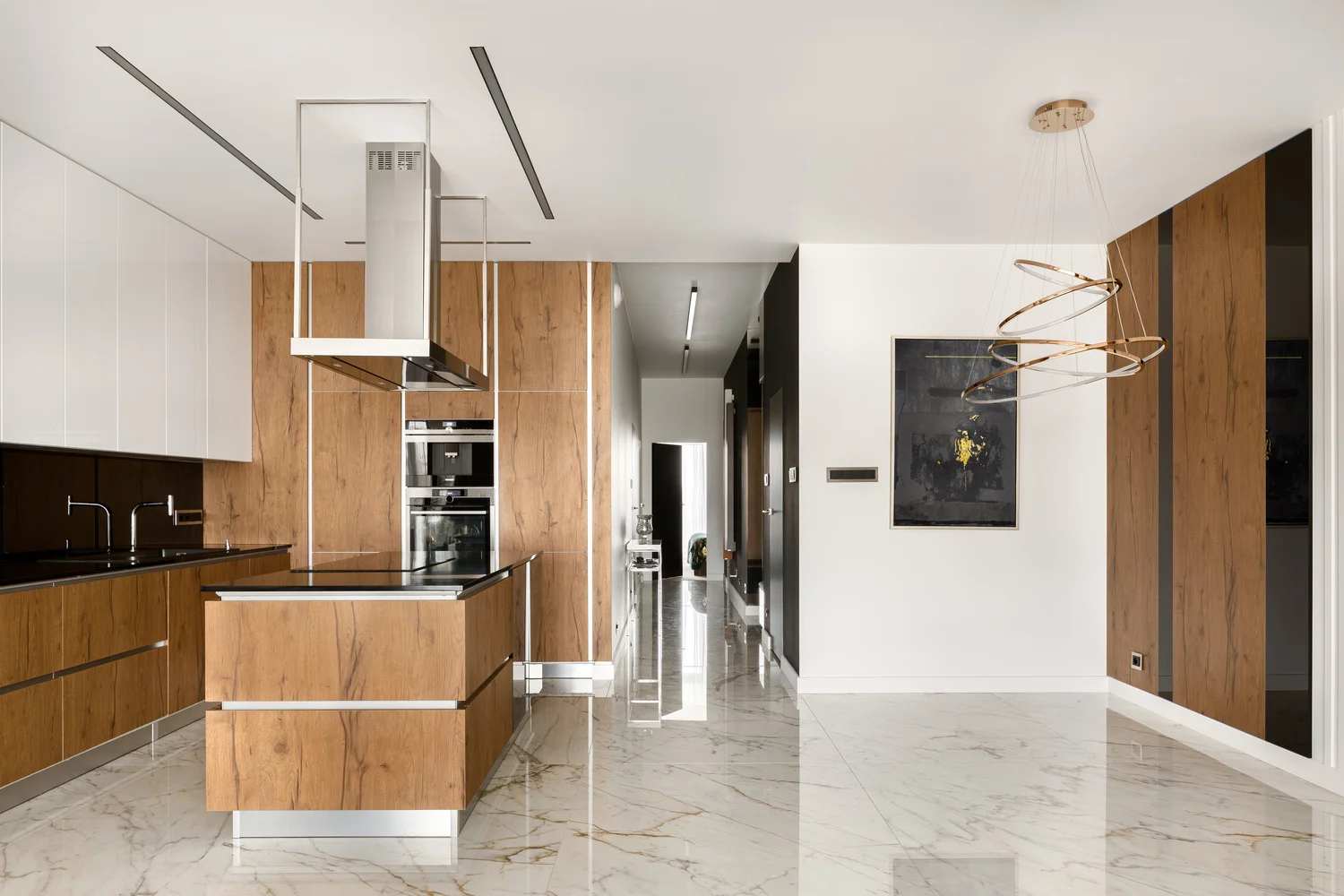
- What are the benefits of porcelain and ceramic tiles for kitchen floors?
- Is natural stone a good choice for kitchen flooring?
- Is luxury vinyl tile (LVT) suitable for kitchens?
- What other factors should I consider when choosing kitchen floor tiles?
- Which kitchen floor tile is right for me?
When it comes to kitchen renovations, flooring is one of the most important decisions homeowners face. The kitchen is the heart of the home, where spills, foot traffic, and everyday wear and tear are the norm. As such, your kitchen floor must be both durable and attractive. With a vast array of tile options available, it can be challenging to decide which material is best suited for this high-traffic, high-impact space. This guide will walk you through the most popular kitchen floor tile options—highlighting their benefits, drawbacks, and practical considerations—so you can make a confident, informed choice for your home.
1. Porcelain and Ceramic Tiles: A Durable Classic
Porcelain and ceramic tiles are by far the most popular choices for kitchen flooring, and for good reason. Both are made from natural clay and fired in a kiln, though porcelain is denser and less porous than ceramic, making it more water-resistant and highly durable. Porcelain is an excellent option for kitchens because it handles moisture, stains, and heavy foot traffic with ease. It’s also available in a wide range of styles, including options that mimic natural stone, wood, or concrete for a high-end look at a lower cost.
Ceramic tile, while slightly softer and more porous than porcelain, still offers excellent performance for the average residential kitchen. It’s easier to cut and install, which can reduce labor costs. Both ceramic and porcelain tiles are low maintenance—just sweep, mop, and you’re good to go. These tiles are also highly versatile in design, available in nearly any color, shape, and finish imaginable.
If you’re considering a professional installation, many tile installers near Elgin frequently recommend ceramic or porcelain for kitchens due to their durability, cost-effectiveness, and timeless appeal. They’re a smart long-term investment that adds value to your home while offering everyday practicality.
2. Natural Stone Tiles: High-End Looks, High Maintenance
Natural stone tiles—such as slate, travertine, marble, and granite—offer a rich, organic look that’s hard to replicate. Each stone tile is unique, giving your kitchen a one-of-a-kind floor with natural variations in color and pattern. For homeowners who value luxurious, earthy aesthetics, stone tiles are a beautiful choice.
However, natural stone has its trade-offs. These tiles are more porous and often require sealing to prevent staining and water damage—especially in kitchens, where spills are inevitable. Some stones, like marble, are also more prone to scratching and etching from acidic substances like lemon juice or vinegar. Stone tiles are generally more expensive than ceramic or porcelain, both in terms of material cost and installation.
Still, for those who are willing to put in the maintenance or hire professionals for care and upkeep, stone tile can transform a kitchen into a dramatic and elegant space. Be sure to work with experienced professionals in residential tile installation to ensure proper sealing, spacing, and support for the additional weight that stone can add to your floors.
3. Luxury Vinyl Tile (LVT): Comfort Meets Convenience
While not a traditional tile in the ceramic sense, luxury vinyl tile (LVT) has made a name for itself as a practical and stylish option for kitchen flooring. LVT is composed of multiple layers, including a photographic top layer that can mimic natural wood, stone, or ceramic tile with impressive realism. It’s softer and warmer underfoot than porcelain or stone, making it more comfortable for long periods of standing—perfect for busy kitchens.
One of LVT’s biggest selling points is its water resistance. High-quality LVT is virtually waterproof, making it ideal for kitchens where spills are common. It’s also easy to install, either with glue-down methods or click-lock systems for floating floors. Cleaning is a breeze, requiring little more than a damp mop.
That said, LVT may not offer the same lifespan or resale value as ceramic or porcelain tile. It can be prone to scratching and denting, especially under heavy furniture or appliances. However, for families looking for a budget-friendly, low-maintenance flooring solution that still looks great, LVT is a strong contender.
4. Additional Considerations: Finish, Size, and Safety
Choosing the right tile material is just one part of the puzzle. You also need to think about the finish, tile size, and slip resistance. Glossy tiles, while beautiful, can be slippery when wet—an important safety concern in a kitchen. Matte or textured finishes offer better traction and can help prevent accidents.
Tile size can also impact the overall look and feel of your kitchen. Larger tiles create a more seamless look and minimize grout lines, which reduces the areas where dirt and moisture can accumulate. Smaller tiles may provide more grip underfoot and can be easier to install in kitchens with irregular layouts or lots of corners.
Grout color is another factor to consider. Light-colored grout can make a room feel bigger and brighter but may show stains more easily. Darker grout hides dirt better but can make a space feel smaller. A professional residential tile installation expert can guide you through these choices and help coordinate the best design for your lifestyle and space.
5. Final Thoughts: Find the Right Fit for Your Kitchen
The best tile for your kitchen floor ultimately depends on your lifestyle, budget, and aesthetic preferences. Porcelain and ceramic offer a durable, affordable, and stylish solution suitable for nearly every home. Natural stone is ideal for those willing to invest in beauty and uniqueness with a bit more maintenance. LVT provides comfort and affordability with modern design appeal, especially for those seeking a softer, warmer alternative.
No matter which material you choose, professional installation is key to ensuring your floor looks great and performs well for years to come. If you’re searching for reliable tile installers near Elgin, look for professionals with strong reviews, diverse project experience, and a portfolio that reflects your design goals.
Choosing the right kitchen floor tile isn’t just about appearance—it’s about finding the perfect balance between function, style, and longevity. With the right material and a skilled installer, you can enjoy a beautiful, long-lasting kitchen floor that serves your home well for years to come.